DANIELLE PASHKO: From Wellness Practitioner to Recognized Wellness Authority. How we built Danielle’s Personal Brand
When Danielle and I started working together, she didn’t need help becoming an expert. She already was one.
Danielle had spent decades in health and wellness, working in some of New York City’s most progressive wellness spaces long before many of the conversations we’re having today became mainstream.
But what interested me about Danielle was never simply what she knew.
It was why she knew it.
Danielle lost her mother to cancer when she was only 13. Growing up largely on her own in New York City in the 90s, she became determined not to suffer the same fate.
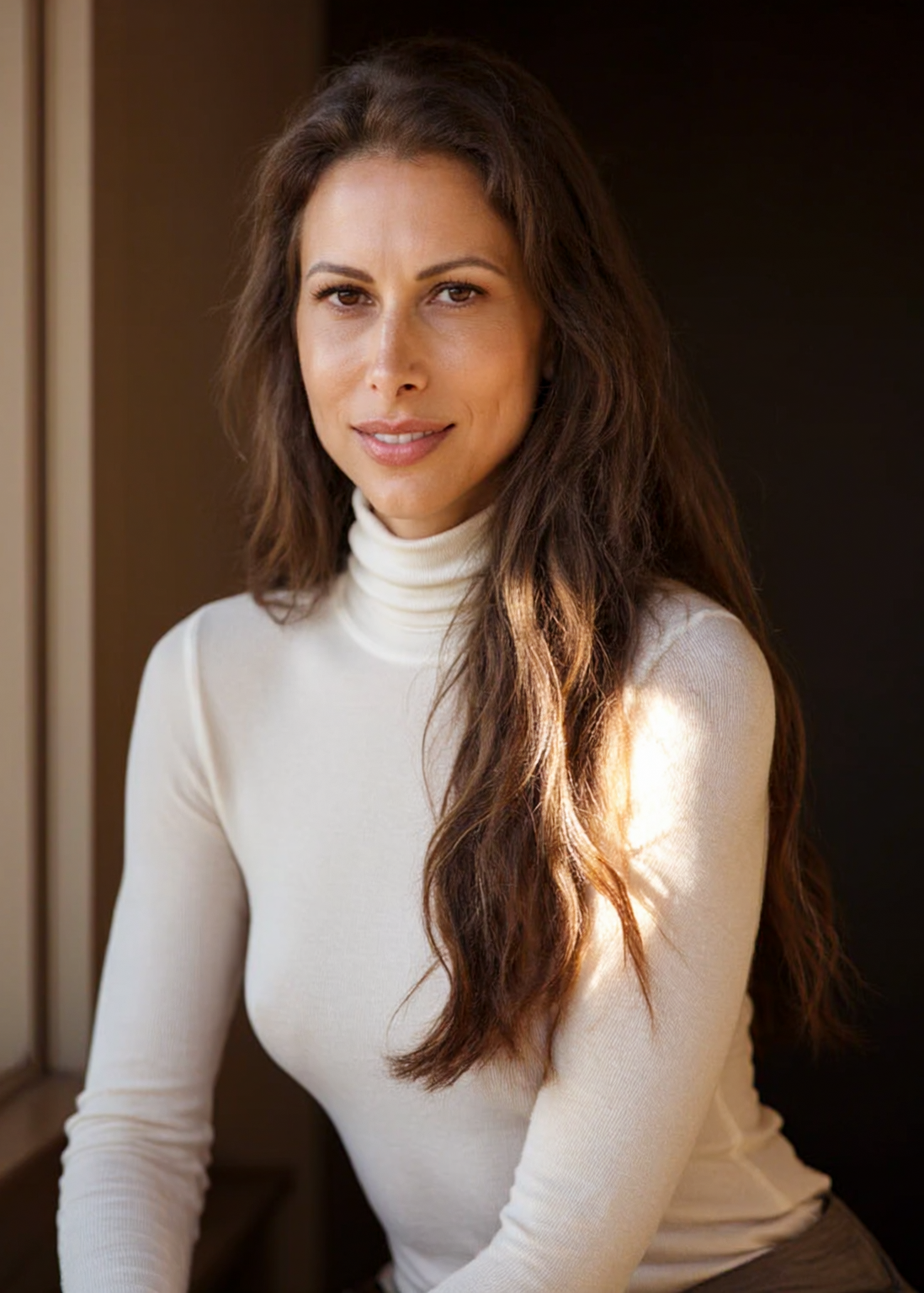
Danielle Pashko - Founder of Soulhakker
She immersed herself in health and wellness. She ate an almost impossibly clean diet, practiced and taught yoga, finished college, trained as a massage therapist, became a Reiki master and continued studying different approaches to healing.
Wellness wasn’t simply her career. In many ways, it became her way of trying to outsmart illness.
And still, she got sick.
Danielle was diagnosed with thyroid cancer. Despite everything she knew, everything she practiced and her access to the wellness world, she still had to fight for answers about her own body.
And in many ways, she has spent much of her life fighting for her own health.
She knows what it feels like to know something is wrong and not have an answer. To sit across from a medical professional and not feel heard. To question what you're being told. To keep searching when the explanation you're given doesn't match what you're experiencing in your own body.
I think that is a huge part of why women connect with Danielle.
So many women know that experience.
They know what it feels like to say, "Something isn't right," and feel dismissed, minimized or simply not believed.
Danielle doesn't speak to those women as someone standing on the outside telling them what they should do. She's been the practitioner, but she's also been the patient trying to understand what was happening to her.
And that changed the way she thought about health.
She began looking beyond food and exercise and more deeply at stress, sleep, emotional health, trauma and what happens when the body has spent years functioning in survival mode.
What makes this especially interesting now is that Danielle was writing about many of these ideas years ago. In her 2014 book, Smile at Your Challenges, she was already questioning the idea that diet and exercise alone could create health and writing about stress, emotional well-being and the mind-body connection.
Long before nervous system regulation became something everyone was talking about online, Danielle was already living and exploring the conversation.
She wasn't trying to catch up with where wellness was going. In many ways, the wellness conversation was finally catching up with her.
And that was the foundation we built on.
From Expertise to Thought Leadership
From the beginning, I wasn't looking at Danielle and thinking, How do we grow her Instagram?
The bigger question was:
What should Danielle be known for?
She wanted to grow her audience, but she also wanted something much larger than an audience. She wanted to speak, work with brands, participate in important wellness conversations and become a more recognizable voice in the industry.
Danielle already had the experience. She had lived through the questions she was asking. She understood the conventional wellness conversation, but she also knew where she disagreed with it.
We didn't need to create an expert persona around her.
We needed to build a personal brand that made all of that visible.
And increasingly, the word that made the most sense for where Danielle was going was thought leader.
Because thought leadership isn't simply knowing a lot about a subject.
It's having a perspective.
It's being willing to question conventional thinking.
It's connecting ideas other people haven't necessarily connected yet.
And sometimes it's having lived long enough inside a subject to recognize where the conversation is going before everyone else gets there.
Building the Brand Behind the Content
I don't believe a good social media strategy starts with a content calendar.
It starts with figuring out why people should pay attention to you in the first place.
For Danielle, that meant identifying the conversations she had earned the right to be part of and building content around them.
We combined education with opinion, professional knowledge with lived experience, and health information with Danielle's perspective on where wellness was getting things right and where she believed we needed to look deeper.
But we also made room for something that became incredibly important to her brand:
vulnerability.
Danielle has an extraordinary story, and she is willing to tell it.
Not because sharing personal things gets engagement, but because her experiences explain why she believes what she believes.
When Danielle talks about living in survival mode, there is a lifetime behind that conversation.
When she talks about not being heard medically, she's lived it.
When she talks about becoming obsessive about health, she can also admit that there was a time when she believed discipline could protect her from almost anything.
And when she talks about changing her mind about something she once believed, she doesn't hide from that either.
In fact, Danielle wrote years ago about learning that sharing her mistakes and allowing herself to be vulnerable could help other people feel understood.
That became an important part of her personal brand.
Because information can make someone think you're knowledgeable.
But feeling understood is often what makes someone trust you.
[Read Danielle's full story →]
Making Wellness Content Feel Human
There is an enormous amount of wellness content online.
Danielle didn't need to become another person repeating the same five health tips everyone else was posting.
She needed to sound like Danielle.
That meant taking complicated conversations and making them understandable without stripping away the intelligence behind them.
It also meant being willing to talk about the messy parts of health.
The frustration of knowing something isn't right.
Being told everything looks normal when you don't feel normal.
Questioning what you've been told.
Changing your mind.
Learning to listen to your own body.
And recognizing that sometimes health is much more complicated than simply doing everything "right."
The goal was for someone to spend time with Danielle's content and begin to understand not only what she knew, but how she thought.
That's when content starts building a personal brand instead of simply filling a feed.
From Audience to Thought Leadership
Danielle's Instagram presence grew to nearly 60,000 followers.
But the follower count only tells part of the story.
What matters more is what that visibility began making possible.
Today, Danielle isn't simply sharing ideas with her own audience. She's being invited into bigger conversations.
She interviews fascinating minds across health, wellness, longevity and human performance.
She is increasingly being asked to moderate and host panels at major wellness and biohacking events, putting her in the room with the people shaping where these conversations are going next.
She has participated in prominent wellness events in Miami and Las Vegas, including events at Faena, and has expanded her presence within the biohacking and longevity world.
She also signed with a leading talent agency in the wellness space, creating further opportunities for speaking, media, brand partnerships and thought leadership.
And to me, that is the real evolution from expert to thought leader.
An expert knows their subject.
A thought leader has a perspective people want brought into the conversation.
They're asked to interview other experts. Moderate conversations. Ask better questions. Challenge assumptions. Connect ideas. Help people understand not only what is happening, but where an industry may be going next.
That's the brand we've been building around Danielle.
Her nearly 60,000 followers represent people who chose to listen.
But the invitations, interviews, panels and speaking opportunities represent something bigger.
People aren't only following Danielle. They're beginning to recognize her as someone who belongs in the conversations shaping the future of wellness.
Why It Worked
We never created a character for Danielle to play online.
We built around who she already was.
Her professional experience mattered. But so did everything that would never appear on a traditional résumé.
Losing her mother.
Having to grow up far too young.
Her determination to outsmart illness.
Getting sick anyway.
Having to advocate for herself when she couldn't get answers.
Realizing that some of what she once believed about health was incomplete.
And continuing to question, learn and evolve.
Those experiences didn't weaken Danielle's authority.
They created the perspective behind it.
That's something established experts sometimes overlook when they think about personal branding.
Your story isn't separate from your expertise. Very often, it's the reason your expertise matters.
The Bigger Picture
One of the biggest mistakes established experts make is assuming their experience will speak for itself.
Unfortunately, it doesn't always work that way.
You can have 20 years of experience and still be almost invisible to someone who discovers you online today.
That doesn't mean you need to become an influencer or spend your entire life creating content.
It means your online presence needs to do a better job of communicating the value of what is already there.
For Danielle, Instagram became an important part of that, but it was never just about Instagram.
We were building a personal brand that could support speaking, media, partnerships, interviews, influence and opportunities we couldn't necessarily predict when we started.
And that's what I believe a strong personal brand should ultimately do.
It should make the next version of your business possible.
Has your expertise outgrown your online presence?
If you've spent years becoming incredibly good at what you do, but your online presence still doesn't reflect the level you're operating at, you probably don't need to reinvent yourself.
You may need to look more closely at what you've already built, what you've lived, what you've learned that you couldn't have known 20 years ago, and what all of that means for what you should be known for next.
